
$
New Threats, New Protection Architectures: Rethinking CBRN Security for Critical Infrastructure and Major Events
Proengin
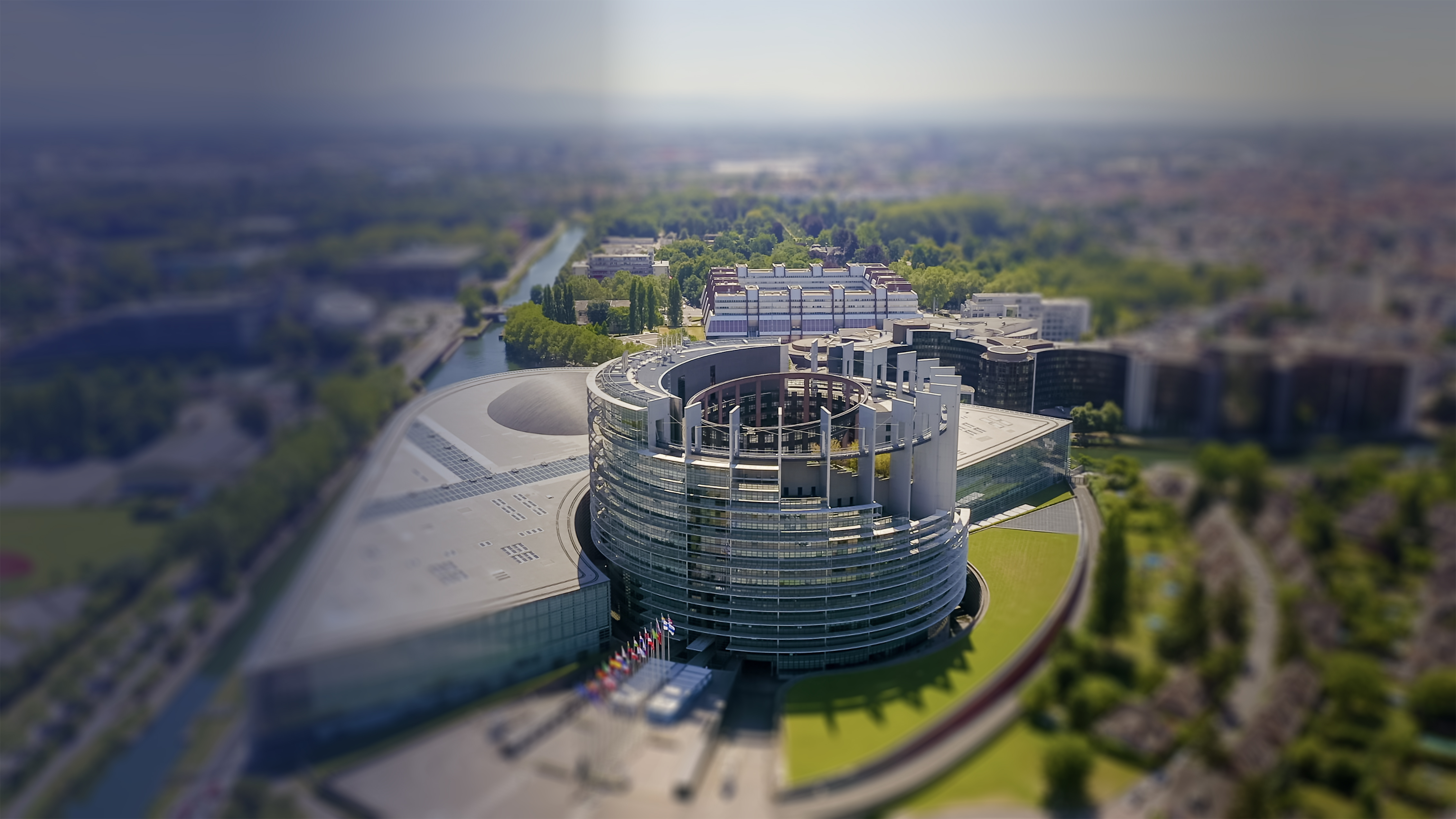
An evolving threat landscape demands heightened vigilance
Major events and critical infrastructure operate in a threat environment that is becoming more diverse, accessible and unpredictable. Security organisations must now consider a broader range of materials, delivery methods and potential targets than in the past.
The threat is not limited to traditional chemical warfare agents or sophisticated state capabilities. Toxic industrial chemicals, pharmaceutical-based agents, biological toxins, corrosive substances and improvised binary devices can be produced or assembled from comparatively accessible materials. At the same time, modified substances and emerging biological agents can challenge detection and identification systems that depend exclusively on predefined molecular libraries.
Vulnerability extends far beyond the walls of the protected venue. Protecting major events and critical infrastructure means protecting people, large crowds and VIPs, as well as the sensitive sites where they gather, work or travel. Protection must therefore extend beyond the primary venue to the wider ecosystem supporting events, official meetings and daily activities, including transport hubs, parking areas, queues, security checkpoints and entry points, hotels, fan zones and other high-density public spaces or strategic locations. Particular attention must be paid to the surrounding areas where crowds gather, move or wait.
This calls for a shift in security and protection solutions. Effective protection architectures increasingly combine fixed and mobile detection, multiple complementary sensing technologies and the real-time transmission of data across the site and to higher-level command-and-control centres. Connectivity is becoming essential to correlate alarms, share a common operational picture and support faster, coordinated decisions at every level.
Drones: an emerging risk and a new protective capability
The rapid expansion of drones, including commercially available models, is changing both the threat and the response.
As a potential threat vector, a drone can bypass conventional checkpoints or fly above sensitive areas. It may be used for observation, disruption, or the transport and dissemination of hazardous materials.
However, the same technology also creates new protection capabilities. A drone equipped with a detector can be sent towards a suspected release without immediately exposing personnel. It can support perimeter reconnaissance, investigate an inaccessible area, track a suspected plume, or collect measurements above and around a protected site.
The value of a drone does not come from the platform alone. Its detector data must be associated with its position and transmitted to the command structure in real time. The Proengin systems approach supports this type of integration by connecting detectors with UAVs and UGVs, transmitting detection and positioning information, and displaying the resulting data through two- or three-dimensional mapping. The objective is to extend detection beyond the fixed perimeter while reducing operator exposure.
From distributed protection to coordinated response
As the protection perimeter expands, security can no longer rely on isolated detection points. It requires a layered and connected architecture combining continuous fixed monitoring with mobile capabilities able to investigate alarms, close temporary coverage gaps and follow a moving threat.
Within buildings, the response must also adapt to the origin of the release. An external threat may require air intakes to be closed and protected areas to be pressurised, while an internal release may require specific ventilation zones to be isolated and evacuation routes redirected.
Detection systems, facility management, security teams and emergency responders must therefore contribute to the same operational picture. Local teams need the autonomy to act immediately, while higher command centres require consolidated information to coordinate resources across several sites. The objective is not simply to deploy more sensors, but to create a coherent network capable of detecting, qualifying and managing a threat across multiple operational environments.
From detection to decision: Proengin innovation
The central challenge is to transform heterogeneous sensor data into timely and actionable information. Proengin Shield connects fixed and mobile detectors, third-party sensors, samplers, cameras, vehicles, UAVs and UGVs within an open and modular architecture.
Threat management is structured across three levels: local, for immediate action close to the sensor; central, for site-wide coordination and alarm qualification; and global, for consolidated multi-site supervision and support to higher command centres.
By connecting information from multiple sensors, platforms and sites, this approach shortens the time between detection and decision, enabling operators to understand the situation and coordinate the appropriate response more rapidly.
Everything begins with detection. Protection begins when information becomes understandable, reliable and actionable.